


*Brought to you by the Maggie Beer Foundation
Many older people know the feeling of standing in the kitchen, looking at a single chop or one lonely potato, and wondering what the point is. New national research suggests many feel exactly the same way and it has almost nothing to do with whether there's food in the house.
The research, called HomePlate Insights, is the most comprehensive study of its kind ever done in Australia. Led by the Maggie Beer Foundation, it combined a national survey of almost 2,500 people aged 65 and over, in-depth conversations with 234 older Australians in cities, regional towns and rural communities, and a full literature review by the University of Sydney.
The headline finding is a simple, one in five older people say their eating is only "good enough", not something they enjoy anymore. It's rarely about access to food but rather about whether there's still a reason to bother.
Cooking for one turns out to be the tipping point. Almost a quarter of people interviewed were eating alone, and 40% of that group said cooking just for themselves had lost its appeal - the single biggest barrier to eating well once someone is on their own. After losing a partner, the motivation to cook can vanish almost overnight; one in nine people directly linked their declining eating habits to that loss. More than a quarter said they'd quietly started skipping meals, with lunch usually the first to go, replaced by a cup of tea and a biscuit.
Confidence can be misleading, too. Nearly 8 in 10 older people rate their own eating as "good" or "excellent", but over half of that group already has a real risk factor working against them, whether that's living alone, financial strain, or being 85 and over. It gets harder with age: only 30% of people 85+ still enjoy cooking and feel confident doing it, compared to around half of those aged 65-74.
Why does this matter beyond the kitchen table? Malnutrition among older people living independently sits at around 5%, but climbs to 30–40% once someone is admitted to hospital. It rarely arrives as a dramatic event - it builds quietly, meal by missed meal, until it shows up as a fall, an infection, or a wound that won't heal.
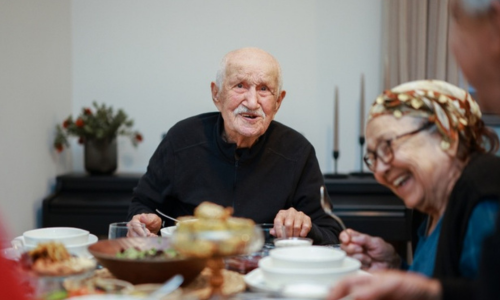
The most powerful finding might be the simplest. Motivation and enjoyment of food matter far more than cost - enjoyment is nearly three times more influential than any other factor measured. The people who told researchers: “if I'm on my own, I don't bother" also told them, just as clearly, that company changes everything: "when you eat with other people, you always eat more," as one participant put it. Currently, 18% of older people rarely or never share a meal with anyone, rising to more than a third of those living alone - and almost half of that group say they'd genuinely like to share meals more often.
The Maggie Beer Foundation is now using these findings to shape what comes next: practical ways to help rebuild motivation, kitchen confidence, and company at the table.
This single serve Soy Sauce Chicken and Vegetable recipe below provided by the Maggie Beer Foundation hopes to inspire creativity in the kitchen and motivation to try new meals.
Soy sauce chicken and vegetables (rice cooker method) - serves 1
From start to finish this single serve dish takes 20 minutes. It does employ the use of a rice cooker (available for a little as $15 at major retailers) however you can use a saucepan and colander but a rice cooker will make your rice perfect every time.
Simplicity itself, we take 2 cups of Jasmine rice, rinse and drain it well, add our water and put it on to steam. In the basket that comes with a rice cooker we have a bowl containing chicken tenders, soy sauce, ginger, spring onions, sesame oil, oyster sauce, bok choy and snow peas.
The beauty is this dish is that it genuinely cooks on its own, (when the rice finishes cooking the rice cooker turns itself off and keeps it warm) Once the rice is cooked, leave it to sit undisturbed for 5-10 minutes then simply spoon the amount of rice you want into the bowl.
Ingredients
- 2 each Chicken breast tenders (approx. 100-120g)
- 2 stalks Spring onion, white part cut into 3cm pieces, green part reserved separately
- 3 thin slices Fresh ginger, shredded
- ½ tsp Sesame oil
- 2 tsp Oyster sauce
- 1 tsp Light Soy Sauce
- 1 head Bok Choy, washed and cut into quarters lengthwise
- 60g Snow peas, trimmed
- 2 cups Jasmine or long grain rice
- 2 ½ cups Water
Method
Cut the tenders into 2 or 3 pieces and place in a shallow ceramic bowl with the spring onion whites, ginger, sesame oil and sauces, mix well.
Place the quarters of bok choy on one side of the chicken and the snow peas on the other for even cooking.
Wash rice in running water until it runs clear, drain well and place in a rice cooker, add measured water, place the steamer basket holding you chicken on top of the rice cooker, cover with the lid and turn on.
After approx. 15 minutes the rice cooker will sense the cooking time is complete and switch to a holding status, allow to sit for 5 - 10 minutes with the lid in place, then remove the lid and basket, fluff up the rice and spoon as much as you need into the bowl containing your perfectly cooked chicken and vegetables.
Note
This recipe makes enough cooked rice for 2-3 meals, one serve to be eaten immediately with the chicken and vegetables, the others refrigerated and kept for dishes that need cold cooked rice, like kedgeree or fried rice, this cooked rice can even be frozen for use at a later date!