


From 1 July 2026, when you dine out or order takeaway, you’ll notice something new on menus across Australia - clear labels showing where your seafood comes from.
New national rules are designed to make it easier for you to make informed choices about the seafood you eat.
A simple way to know the origin
Most hospitality businesses - including restaurants, cafes, pubs, clubs, takeaways and food trucks - will need to identify the origin of seafood in each dish using the AIM model:
- A = Australian
- I = Imported
- M = Mixed origin (Australian and imported).
Look for these labels on menu items - they show where your seafood comes from, so you can make an informed choice before you order.
In some cases, businesses may choose to use words instead of letters, such as “Australian seafood”, “imported seafood”, or “contains seafood of mixed origin”.
Hospitality businesses can also promote local produce by highlighting specific sources, like Coffin Bay Oysters, as long as all seafood is also labelled as being of Australian, Imported or Mixed origin.
Why this matters for diners
The new seafood labelling system is all about transparency. It ensures you have clear information about the origin of seafood served by hospitality businesses. This makes it easier for you to support Australian seafood producers while making informed choices about what you eat. Afterall, South Australian waters are home to some of the world’s most sought-after seafood, such as our locally caught fish, lobster, abalone, prawns and calamari.
Seafood origin hasn’t always been obvious when dining out, but the new labelling requirements aim to remove the guesswork for diners.
Where you’ll see the labels
You’ll see seafood origin labels in many places, including:
- printed menus
- menu boards in venues
- online ordering platforms.
The key requirement is that the information must be displayed before you place your order, so you can make your choice with confidence.
What’s covered?
The rules apply to seafood dishes prepared for immediate consumption, whether you’re dining in, ordering takeaway or getting delivery.
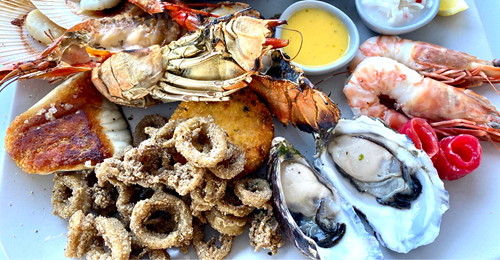
This means most dishes that feature seafood must have origin labelling. This includes dishes like fish and chips, seafood pizza, fish tacos, salt and pepper calamari, and seafood platters.
What’s not covered?
There are some exemptions to these labelling rules. These include meals served at fundraising events, canteens, hospitals, and dishes that include only non-solid forms of fish, such as fish sauce.
A more transparent dining experience
These changes give you clearer information and greater confidence when ordering seafood, so you know exactly what’s on your plate.
Next time you’re scanning a menu, look out for the A, I or M or the words in full to indicate if the seafood is Australian, Imported, or of Mixed origin.
If you notice a hospitality business isn’t labelling their seafood dishes, please report this to Consumer and Business Services (CBS). Use the consumer complaints form and select the option to ‘report other issue’, or phone 131 882.
Read more about the new rules for seafood labelling in hospitality businesses.