


Supported by Office for Ageing Well through the Impact Research Grants for Ageing Well Program, researchers at the University of South Australia conducted research on older South Australians who have experienced a loss of home ownership. The study examined reliance on housing assistance, potential interventions, and the impact on wellbeing, aiming to inform policies that support older adults in maintaining stable housing.
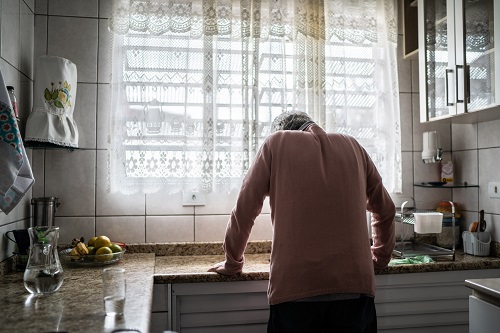
Through seven case studies, the research provided insights into the varied experiences of older people, and the pathways they followed to exit precarious housing situations. The research also included the voice and opinions of Care Finder Housing Specialists, Believe Housing SA (Anglicare), the City of Salisbury, and the Hutt Street Centre, all of which provide valuable and essential front-line support to those in need.
Although Australia traditionally has high home ownership rates, particularly among older adults, the proportion of people owning a home has been steadily declining across all age groups, including for older people, since the 1970s. There are a number of reasons for this, most obviously the current high cost of housing, but also because increasingly people of all ages are relinquishing home ownership.
The loss of home ownership occurs for various reasons, such as domestic violence, workforce involvement, financial management, and limited support networks shape housing paths. This loss of home ownership and stability in life has significant impacts on older people’s wellbeing and feelings of safety and security. The importance of home ownership to financial security and the value of secure affordable housing cannot be understated.
Misconceptions about older people losing home ownership are common. Research confirmed that it is crucial to reflect on individual stories to better understand and support people. The research team found that 'shame' often prevents people from seeking help before or after losing their homes. Many participants had owned multiple properties over time, and had successful professional careers, highlighting the unexpected challenges they now face.
Rising mortgage debt in retirement, combined with nationwide affordability and supply issues, pose significant challenges for older people trying to retain home ownership, re-enter the home ownership market or find suitable housing within the private rental market or social housing sector. As financial pressures increase, more older adults are turning to homeless services, but the national housing crisis post-COVID has reshaped the market. With demand for social housing far exceeding supply, government commitments to new housing will help, though it will take time to see the benefits.
In conclusion, several actions and topics were presented to government for consideration, these included.
- Increasing support of the homelessness sector
- Increase provision of social housing options
- Increasing the utilisation of social housing properties to facilitate movement through increased choice to downsize or right size
- Revisions to the private rental market
- Trauma informed workforce to improve the service provided to those seeking assistance greater integration of housing and aged care sectors
- Housing gateway service specific for older people
- Those effected by domestic violence to get equitable access to assets; and
- The creation of greater awareness in the community of the nature of homelessness and that it is the responsibility of all in the community.
For further information please contact Associate Professor Debbie Faulkner 8302 1526 or debbie.faulkner@unisa.edu.au