


For many older Australians, staying in their own home is a priority. But as people age, everyday tasks can become more difficult and home modifications can help. From grab rails and ramps to bathroom modifications that enhance accessibility, these changes can make a big difference in safety, independence, and quality of life.
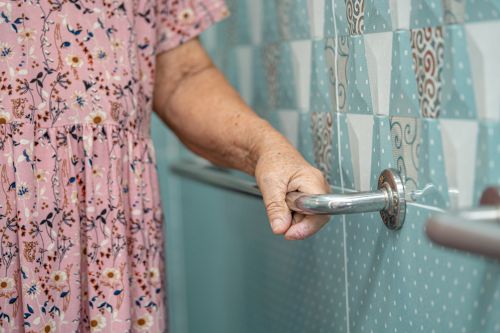
Image credit: © Sasirin Pamai/iStockphoto.com. Used under license.
A recent study conducted by the Healthy Ageing research team at Flinders University in Adelaide have interviewed older people, their carers and professionals. This helps build understanding of what it’s like to go through the home modification process to help better understand people’s experiences, the challenges and successes of the process, so that suggestions for improvements could be made.
The Good News
Most people felt that assessment for home modifications was very thorough and were happy with the modifications they received. They felt safer, more independent, and better able to manage daily tasks. Many also appreciated the friendly and respectful tradespeople who came into their homes.
One participant said, “They were very thorough,” while another shared, “It’s peace of mind knowing I can stay in my home safely.”
The Not-So-Good News
Unfortunately, the process of getting modifications wasn’t always smooth. Finding the right people to help with assessment and installation could be difficult, especially in rural and remote areas with many people experiencing long delays, especially for larger jobs like bathroom redesigns. Others found it hard to understand what they were eligible for or how to get started.
Funding was a major issue. Some programs, like the Commonwealth Home Support Program (CHSP), cover modifications up to $1,000, which was insufficient for bigger changes. Others, like the National Disability Insurance Scheme (NDIS), required multiple quotes and lengthy approvals.
Behind the Scenes
Many people are involved in the home modification process, including recipients, their families, occupational therapists, funders, project managers and tradespeople. There was consensus that working together as a team created the best outcomes.
Despite some hurdles, many professionals said they found the work deeply rewarding. “It’s satisfying to know we’re helping people stay safe and independent,” one occupational therapist said.
Looking Ahead
As the number of older Australians rises, so too will the need for home modifications to support ageing in place. New government reforms under the ‘Support at Home’ program are expected to roll out in November 2025, offering more structured funding for assistive technology and home modifications (AT-HM scheme).
This research recommends improvements to home modification processes including clearer referral pathways, better access to occupational therapists, builders and tradespeople, more flexible funding arrangements, stronger collaboration between stakeholders and better planning for future home modification needs.
Home modifications can be life-changing, but only if people can access them in time. This study shows the importance of making the process simpler, faster, and more person-centred. With the right support, more older Australians can live safely and independently in the homes they love.
For further information about this project contact Professor Stacey George, Caring Futures Institute at Flinders University, Stacey.george@flinders.edu.au.
This project was supported by a 2023 Impact Research Grant for Ageing Well from Office for Ageing Well, Government of South Australia.