


When someone’s decision making ability is impaired and they cannot make important decisions, and there is no family member or friend who can make decisions for them, the Public Advocate can be appointed as their legal guardian to make important decisions.
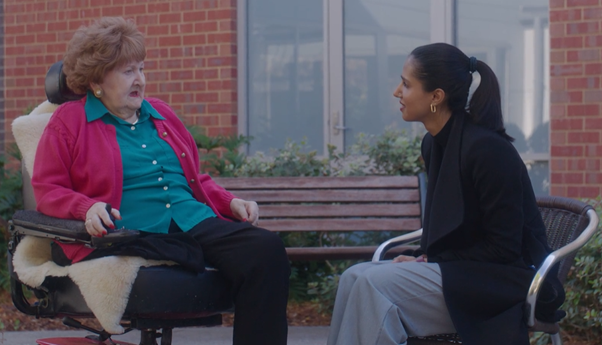
The Public Advocate and her staff recognise the importance of including people in decisions that affects them.
The Office of the Public Advocate has produced a video about how their staff go about supporting people to express their wishes. The Office has also developed a tool called My Life My Wishes to record a person’s wishes.
The project was a collaboration between the Office of the Public Advocate and Office for Ageing Well. Its goal was to explore how best to support older people living in Residential Aged Care to express their wishes and maintain choice and control over their lives. Whilst the project focused on older people living in aged care homes who have the Public Advocate appointed as their guardian, the insights gained may help others support people’s decision-making in aged care settings.
In developing the video and trialling the tool, a staff member recently visited Helen (not her real name) to record her wishes about health care and lifestyle matters. During the visit, she took time to document this information using the My Life My Wishes tool. You can view this video and the My Life My Wishes tool and resources in the substitute decision maker toolkit on the Public Advocate website.
The Public Advocate would like to recognise Helen’s enthusiastic contribution to this project. Sadly, Helen passed away shortly after filming this video and was unable to see the final video, but her legacy in supporting others to express their wishes is greatly appreciated.
Everyone has the right to participate in decisions affecting their lives. A range of information and resources about supported decision making is available on the Office of the Public Advocate website.
The Office of the Public Advocate also encourages everyone to make an Advance Care Directive to record future wishes and appoint a substitute decision-maker if needed. This ensures that a person’s wishes and preferences are documented, and they nominate who they would like to make decisions when they are not able to do so themselves.